

How to Improve Medical Staff Well-Being: 4 Best Practices
by Anish Kapur, MD, on Nov 9, 2026, 8:15:00 AM
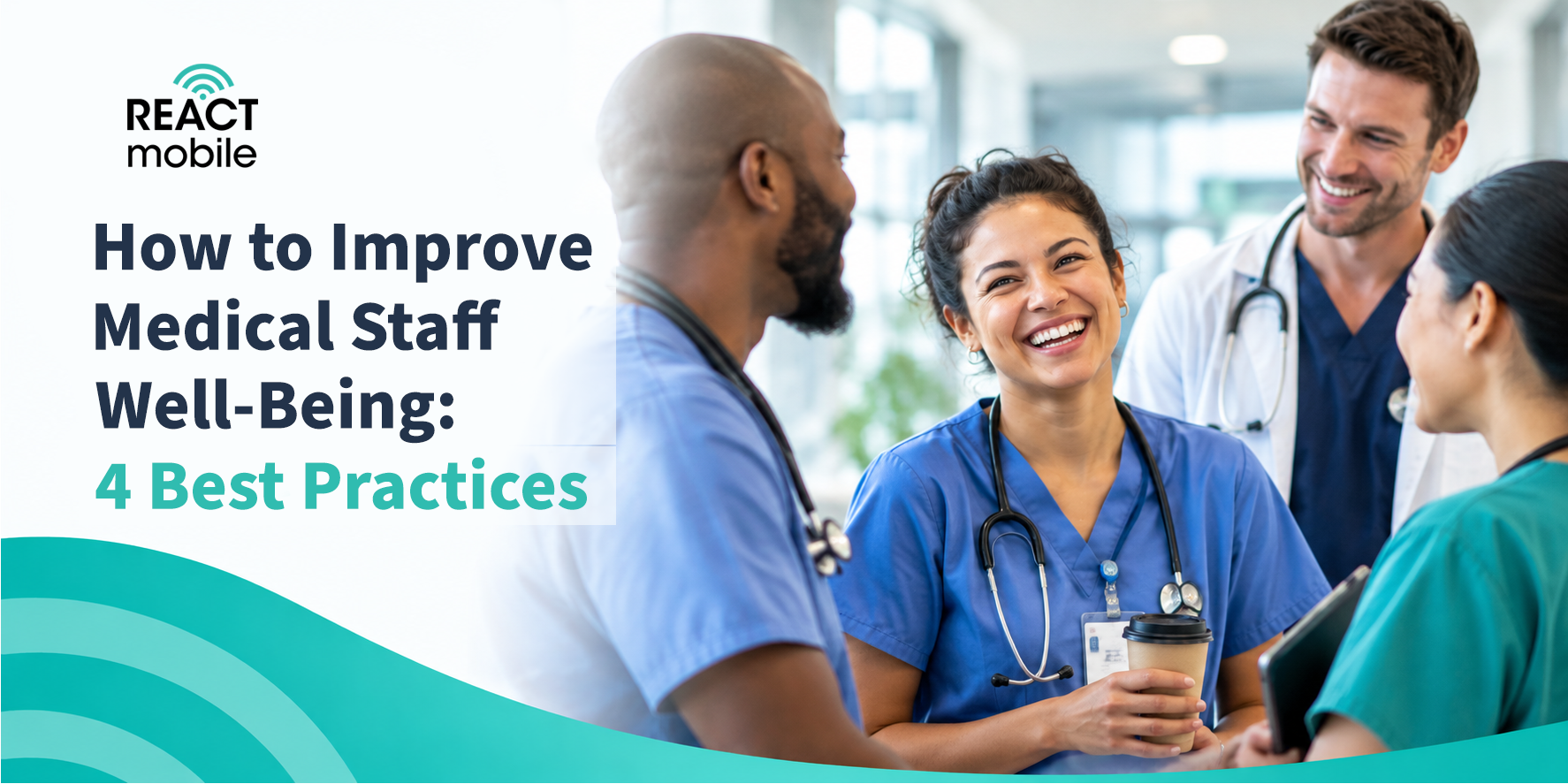
Practice leaders understand that a clinic runs on the dedication of its front-desk staff and clinical teams. However, manual processes and fragmented communication systems can jeopardize your staff’s well-being.
Prioritizing employee health and wellness is an essential component of providing excellent patient care. When your employees carry excessive stress, your clinic’s overall quality of care suffers.
In this guide, we’ll review tips for building a workplace that emphasizes staff wellbeing, both professionally and personally.
Create a safe and supportive clinic environment
A busy clinical setting requires a comprehensive approach to safety that protects employees from both physical hazards and psychological distress. Prioritizing a safe work environment builds the foundational trust necessary for your teams to deliver exceptional care while maintaining their own personal well-being.
Here are practical ways to integrate comprehensive safety and wellness into your clinic culture:
- Address the broader definition of workplace safety. Ensure your practice follows basic safety protocols, including the necessary drills required for your area. Post safety plans in accessible locations, and educate employees on how to follow them during training.
- Integrate wellness into your clinic’s culture. Incorporate wellness activities and areas into your practice’s daily workflows. Some examples include:
- Create quiet break zones away from the clinical floor
- Provide walking pads or standing desks, so administrators can stretch their legs
- Host social activities, such as group lunches or birthday parties, so employees can connect and unwind
- Grant access to confidential mental health support programs
- Establish communication channels and emergency procedures. Deploy discreet, rapid-response communication tools, such as panic buttons, and regular training so front-desk operators receive immediate assistance if a patient interaction escalates.
The best way to guarantee your established safety and wellness protocols meet your employees’ needs is through practical testing and feedback. Conduct regular safety audits and drills to maintain your emergency protocols and establish staff familiarity with operating procedures.
Teach staff to identify burnout
Burnout is easy to spot if you know where to look. Identifying early warning signs of employee fatigue allows practice administrators to intervene before productivity stalls and patient care declines. Moreover, training your medical practice team to recognize these symptoms empowers them to support their fellow employees and seek help for themselves if they are facing burnout.
Some signs that your clinic staff may be experiencing severe fatigue include:
- Increased absenteeism and recurring data entry errors
- Staff members appearing constantly drained or struggling to maintain their usual energy levels during routine processes
- Employees beginning to doubt their competence
Left unchecked, these symptoms can decrease productivity and harm patient interactions. After sharing these signs of burnout during team training, empower your staff to elevate any employees showing these signs to a task team using an anonymous feedback form. Once the form is submitted, the staff member’s manager can provide personalized, accepting support.
Streamline disconnected systems
Disjointed software systems and data silos heavily contribute to administrative fatigue in medical practices. Consolidating data platforms and standardizing data entry workflows reduces the cognitive load of switching between software programs, granting your staff the operational clarity they need to manage high-volume patient flows effectively.
Streamlining your data software systems improves workflows by:
- Eliminating redundant data entry. Unifying scheduling and electronic health record (EHR) systems prevents front-desk staff from entering the same patient demographics into multiple platforms.
- Streamlining the intake process. Promptly recommends using a consolidated patient intake tool to book appointments, coordinate follow-ups and referrals, and automatically verify insurance coverage details before the patient enters the waiting room, reducing administrative overload while giving patients agency over their medical care.
- Reducing manual document sorting. Standardizing form use and automatically routing client notes, digital forms, and patient charts to the appropriate channels reduces data processing time.
- Accelerating cross-departmental communication. A unified platform that updates in real time lets clinical and administrative teams share patient triage status immediately, improving the speed of care.
Consolidating and automating your software tools not only lightens the mental load on your staff but lets them center patient interactions. Ultimately, this software reinforces the philosophy that automation in healthcare humanizes care.
Implement meaningful employee coaching programs
According to The HR Digest, companies that implemented professional development opportunities can see up to a 58% increase in retention. Establishing a strong coaching framework provides employees with a clear path to career advancement and skill mastery within your practice, reducing turnover by emphasizing personal professional growth.
Here are three actionable strategies to increase feedback, mentorship, and performance goal-setting within your healthcare context:
- Schedule weekly one-on-one sessions. Short, frequent meetings between managers and direct reports allow practice administrators to provide actionable feedback and build rapport.
- Create a mentorship program. Encouraging new hires to shadow experienced staff members accelerates onboarding and helps them navigate complex tasks confidently.
- Establish transparent, metric-driven performance goals. Tie employee objectives to specific, measurable clinic outcomes, such as decreasing the patient wait time or improving the pre-visit form completion rate. Establishing office-wide, achievable goals creates a sense of group morale and purpose.
Implementing coaching and mentorship practices provides opportunities for relationship-building and support throughout your practice. Employees who feel seen by their managers are more likely to ask for help, flag workflows that could be improved, and feel supported within their workplace.
The success of your medical practice depends on the well-being of the people running it. Proactively prioritizing wellness and safety within your practice reduces team burnout, smooths tricky workflows, and creates a supportive work environment. Start by opening an anonymous staff wellbeing feedback form and checking it regularly. Regularly incorporating staff feedback on ways your leadership team can support them ensures your employees feel seen and heard, and can generate new wellness initiative ideas tailored to staff needs.