

How to Create an Accessible School Incident Response Plan
by Aisha Walker, on Jun 9, 2026, 12:15:00 PM
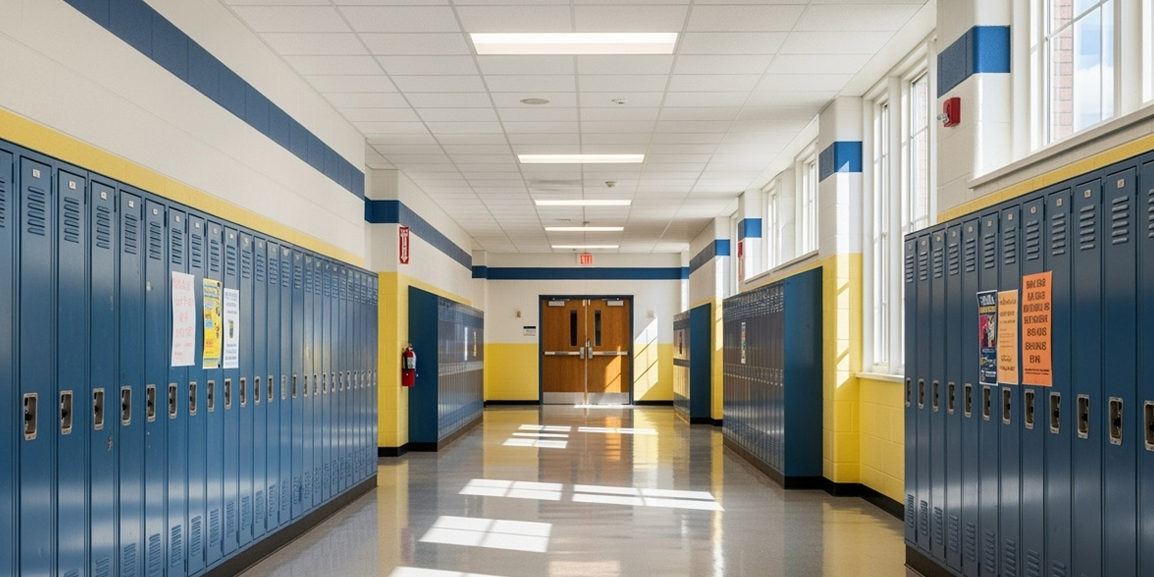
When an emergency strikes a school campus, every second counts and every life matters. A truly effective emergency strategy goes beyond basic compliance to account for the unique physical, emotional, and cognitive needs of the entire student body and staff, rather than just the majority.
In this blog, we’ll explore how to elevate a standard safety strategy into an accessible school incident response plan that protects everyone.
Assemble an Inclusive Safety and Response Team
Building a crisis management team is a foundational step in any school incident response plan, but an accessible approach requires bringing diverse voices to the table.
Traditional safety teams often consist of administration and facilities staff. While these roles are critical, they may unintentionally overlook specific student accommodations. To build a more inclusive team:
- Invite special education coordinators and school counselors to the safety committee to advocate for students with varying needs.
- Consults with local disability advocates or occupational therapists who can provide expert insight into physical and sensory safety barriers.
- Establish a feedback loop with parents of students with disabilities to understand their specific safety concerns.
Including these perspectives from the beginning ensures fewer gaps remain during times of emergency and builds a culture of safety that every family on campus can trust.
Conduct a Comprehensive Accessibility Risk Assessment
A standard risk assessment identifies general hazards, but an accessibility-focused assessment goes further by examining how those hazards uniquely impact different populations across your campus.
Conduct a deeper evaluation by:
- Identifying any physical obstacles along evacuation routes for students using wheelchairs, crutches, or other mobility aids.
- Evaluating shelter-in-place locations for sensory conditions, noting areas with harsh lighting or echoing acoustics that might distress students with sensory sensitivities.
- Reviewing current emergency communications methods to ensure alerts do not rely on a single sense. For example, LED indicator lights on staff safety devices provide visual alerts for those who may not hear an audio-only alarm.
Recognizing these specific environmental challenges before drafting response procedures separates a bare-minimum safety plan from one that is genuinely protective. Remember, you cannot plan for what you haven’t identified.
Develop and Document an Adaptable Action Plan
Juvare’s guide to creating an emergency response plan emphasizes that “to be effective, your crisis management plan must be detailed, accessible, and tailored to the specific risks your organization faces.”
In a school setting, that means acknowledging that no two students will respond to an emergency the same way. To accommodate every student, you must create individualized safety protocols:
- Outline alternative evacuation methods for students with physical disabilities, including the use of specialized evacuation chairs or designated safe rooms.
- Share all safety protocols in multiple formats, such as visual guides, braille, and plain-language summaries for students with learning differences.
- Keep instructions consistent, so they’re easy to follow during stressful moments.
Just as learning is most effective when education is personalized, safety planning benefits from the same mindset. When pathways are clearly documented and adaptable, both students and staff can face any emergency knowing the right support is always in place.
Invest in Multimodal Emergency Response Tools
During a crisis, communication must be immediate and reach everyone who needs to be alerted simultaneously. Modern safety tools bridge gaps that traditional systems often leave behind.
Upgrading emergency equipment is a direct investment in the equitable protection of the campus. Consider:
- Installing visual strobe lights alongside traditional auditory sirens so that students and staff with hearing impairments are immediately alerted to danger.
- Equipping educators with wearable panic buttons that allow for discreet, instant emergency escalation without requiring staff to reach a wall-mounted phone or vocalize the threat.
- Adopting staff communication software that enables two-way communication between classrooms and designated responders.
When your school adopts multimodal tools, you ensure everyone remains in-the-loop during an emergency regardless of sensory or mobility obstacles. These tools empower staff to act faster and decisively while keeping vulnerable students informed and secure.
Offer Differentiated Training and Drill Practices
Even the most carefully designed crisis plan only works if students and staff have practiced it and know how to use it. Traditional emergency drills can feel dysregulating or overwhelming, especially for students with anxiety and sensory differences.
Your training exercises should make your school’s community feel safer, not more stressed or confused. Modifying how drills are conducted allows all students and staff to practice in a supportive environment. To create a more supportive approach:
- Introduce emergency procedures before a drill occurs, allowing time to understand the steps, ask questions, and mentally rehearse what will happen.
- Walk through the physical motions of a drill at a slow, modified pace without alarms to create familiarity. As Brightmont Academy emphasizes, building in extra time for exercises like these can help reduce anxiety and promote a calmer, more prepared response.
- Offer alternative participation methods, such as observing a drill from a quiet space first before fully participating in subsequent practices.
Differentiated practice ensures that when a real emergency happens, students and staff feel prepared. Thoughtful training builds confidence and resilience, completing the circle of a truly accessible and compassionate response strategy.
Final Thoughts
Creating a more accessible school incident response plan requires prioritizing the most vulnerable members of your campus community.
By assembling inclusive teams, assessing specific risks, drafting adaptable plans, investing in smart tools, and differentiating training, school leaders can ensure students, staff, and families alike feel protected and safe on the campus.
Ready to build a safer, more accessible campus? Request a demo.